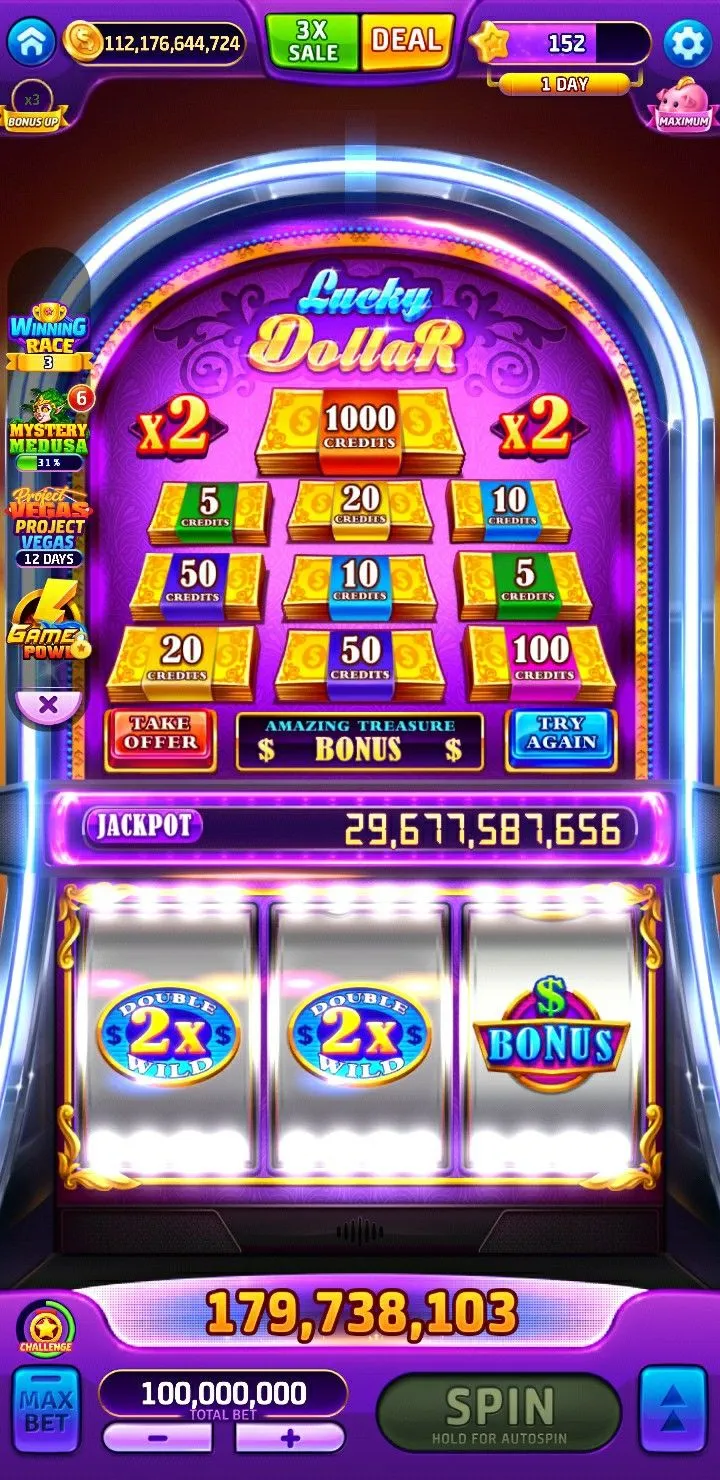
Your Phone Is a Slot Machine: The Case for the 15-Minute Timer

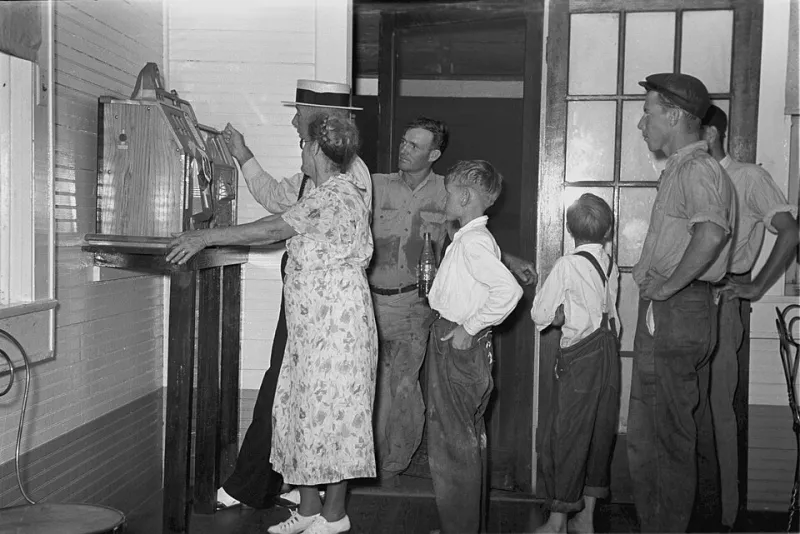
Photo: Sparrow (2019), CC0, via Wikimedia Commons
I've got a confession that might get me kicked out of the slots blogger union: I don't chase bonuses for three hours anymore. I set a timer. Exactly 888 seconds — fourteen minutes and forty-eight seconds — and when it dings, I'm done, win or lose.
It started as a bit. The 888 number is baked into this site's DNA, so capping a session at 888 seconds felt like a cute gimmick. Six months and several hundred sessions later, I'm convinced it's the single best habit I've built as a mobile player. Let me walk you through why.
The Marathon Problem
There's a specific flavor of doom that sets in around the 45-minute mark of a slots session. You've dipped from your starting bankroll, you're down maybe 60 or 70%, and your brain starts doing arithmetic it has no business doing: If I just bet $2 a spin instead of $1, one decent hit gets me back to even.
That voice is called tilt, and it's not a character flaw — it's wiring. Losing triggers the same stress responses as any other threat, and your brain's solution is to escalate. Bigger bets, faster spins, looser game selection. Every study on gambling behavior points the same direction: decision quality degrades the longer a session runs. Casinos figured this out decades ago. It's why Vegas removed the clocks and the windows. Your phone removed them too.
The Bankroll Math Nobody Does
Here's a quick exercise. Say you've got a $50 session budget and you're playing a mid-volatility slot at $0.60 a spin, maybe 8 spins a minute on autoplay.
A three-hour marathon: roughly 1,400 spins, or $840 in total action. With a house edge around 4%, your expected cost of admission is about $34 — and your actual variance across 1,400 spins means your bankroll is almost certainly going to hit zero before hour two.
Now the 888-second version: about 120 spins, $72 in action, expected cost around $3. That's a movie-ticket-sized price for the entertainment, and crucially, your chance of walking away up something is dramatically higher in a short window. Short sessions ride variance in your favor. Long sessions grind you toward the house edge with mathematical certainty.
The house edge is patient. Short sessions don't give it time to collect.
Why 888 Seconds Specifically
Honestly? The number is mostly branding. But the window itself is legit. Fifteen minutes is long enough to hit a bonus round or two, short enough that you're still making fresh decisions instead of autopilot ones. It's also short enough that you can slot it into real life — waiting on a food delivery, a lunch break, the tail end of a commute on the L train (as a passenger, please).
The hard stop matters more than the length. A soft intention — "eh, I'll probably wrap up soon" — loses to the pull of the next spin every single time. A timer with an alarm doesn't negotiate. When it goes off, the session is over. Screenshot your balance if you need the accountability.
Making It Stick
A few practical rules I've landed on:
- One bankroll per session, not per day. When the timer ends, the money ends. No "reloading for one more run."
- Pick the game before the timer starts. Wandering the lobby mid-session is how 15 minutes becomes 50.
- Take a real break between sessions. Fifteen minutes on, at least an hour off. Otherwise you've just discovered a loophole in your own rules.
- Track it. I keep a note in my phone: session result, one word on how I felt. Down sessions after tilty decisions cluster so obviously it's almost embarrassing.
The Counterargument, Fairly Stated
The obvious pushback: high-volatility games can eat a 15-minute window with zero features triggered, and bonus hunts and jackpot chases genuinely need longer runways. Fair. If you're hunting a specific progressive, adapt — maybe your unit is 888 seconds per game rather than per session. The principle is the same: a hard boundary you set while calm beats a decision you make while down.
The 888-second session isn't a strategy to beat the slots — nothing beats the slots, and anyone selling you otherwise is selling something. It's a strategy to beat the version of you that shows up at minute 50. That's the only opponent worth practicing against.
Set the timer. Fourteen minutes and forty-eight seconds. When it dings, close the app and go touch grass. The reels will still be there tomorrow, spinning at exactly the same house edge — with or without you.